

The operating system for cannabis retail.
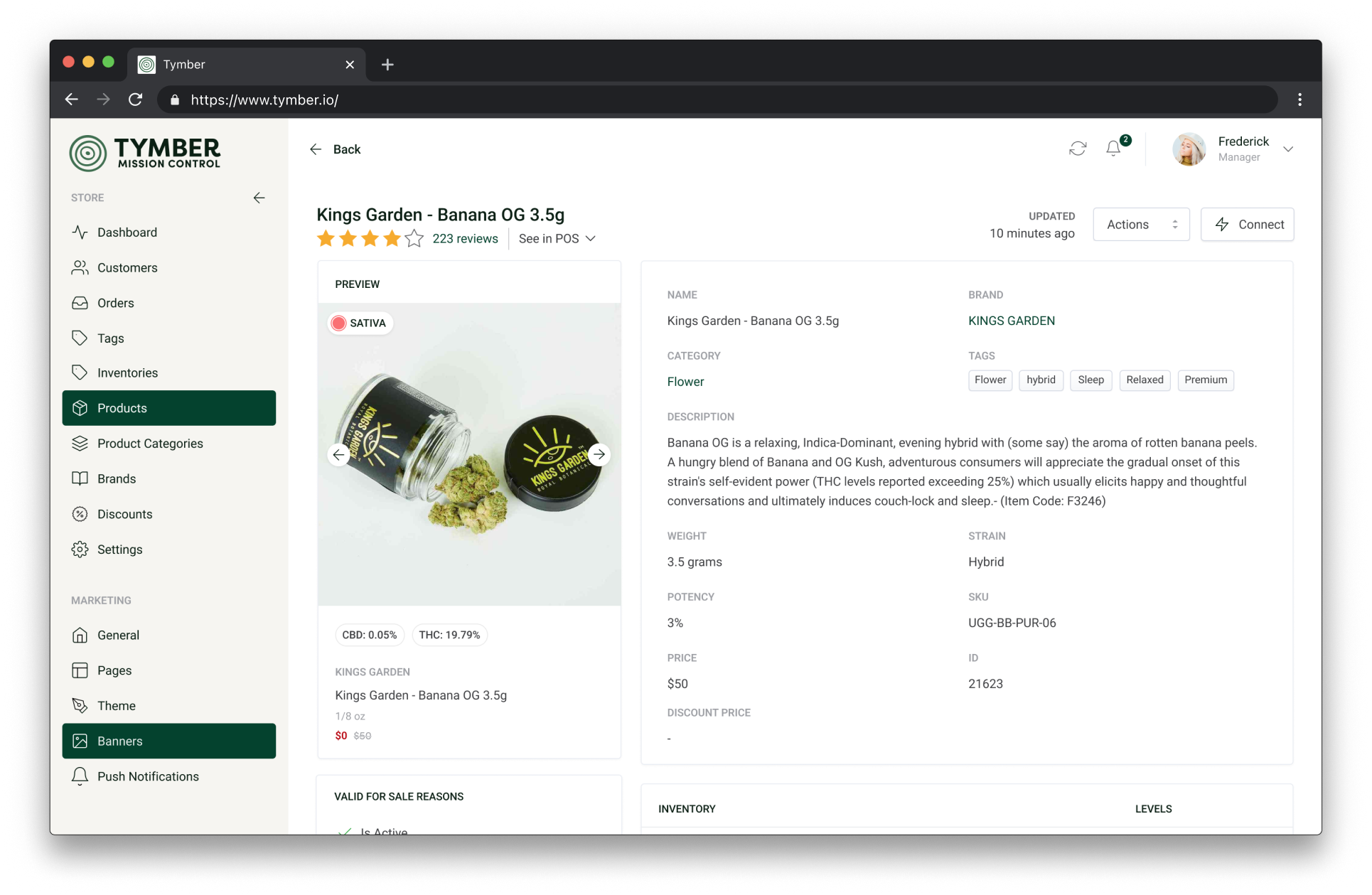
Tymber needed a unified platform that could serve budtenders, managers, and enterprise operators — without making anyone feel like they were navigating a spreadsheet. We designed a retail management system built for speed, clarity, and the realities of the dispensary floor.
Background
Cannabis retail operates at a pace that most software wasn't built for. Tymber set out to change that — building a platform that could handle everything from staff login and role management to multi-store operations and compliance-driven settings. Our role was to take a product with serious bones and give it the design foundation it deserved.
Challenge
As Tymber scaled, the product hadn't grown with it. New features had been added reactively — each one solving an immediate problem, but none of them speaking the same visual or structural language. The result was a platform that asked too much of the people using it.
Authentication alone told the story: users could log in with an email or a phone number, switch between multiple store locations, and reset passwords — but each of those flows felt like a different product. On tablet and mobile, where budtenders actually live during a shift, the experience broke down further.
Beyond the surface, the deeper issue was structural. There was no shared component language, no responsive system, and no consistent logic governing how information was organized or how permissions were communicated. Every new screen was starting from scratch.
The ask was clear: unify the platform, build it to scale, and make sure it works for the person standing behind a counter at 6pm on a Friday.
Approach
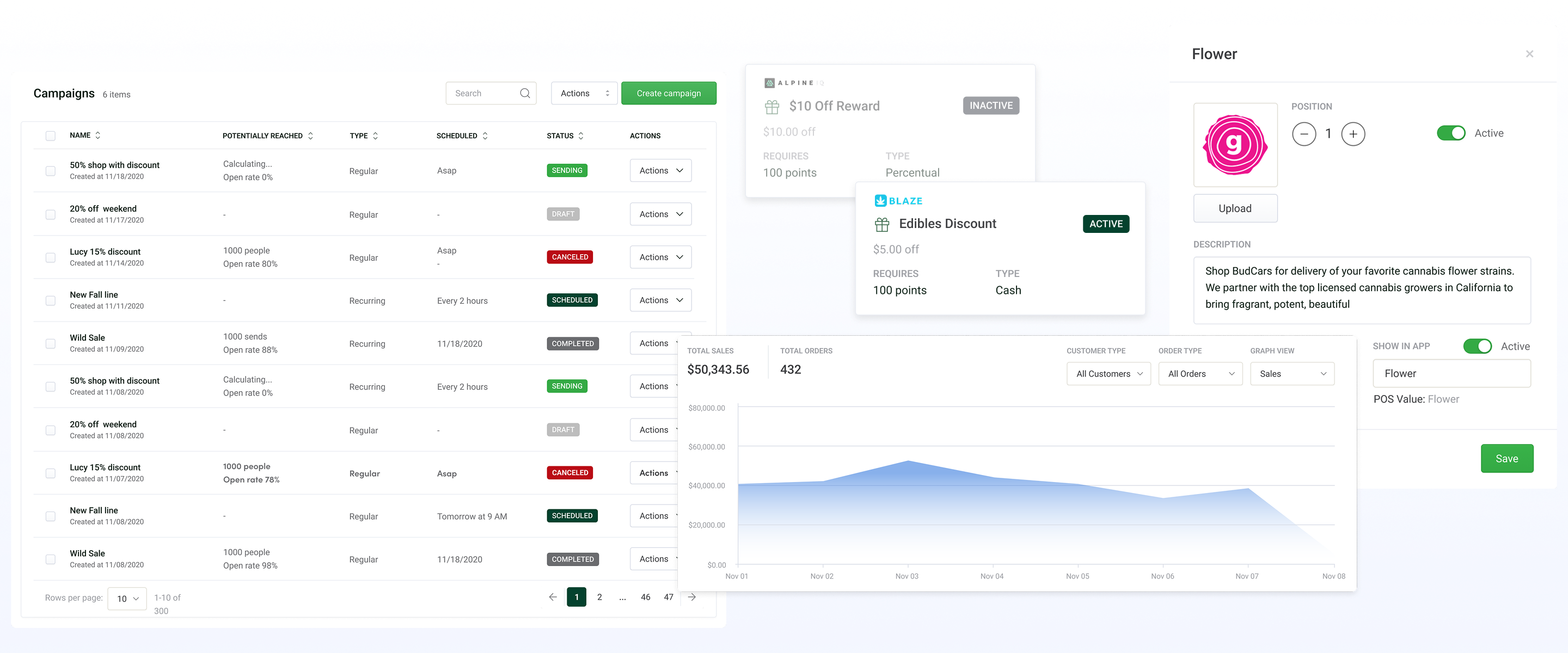
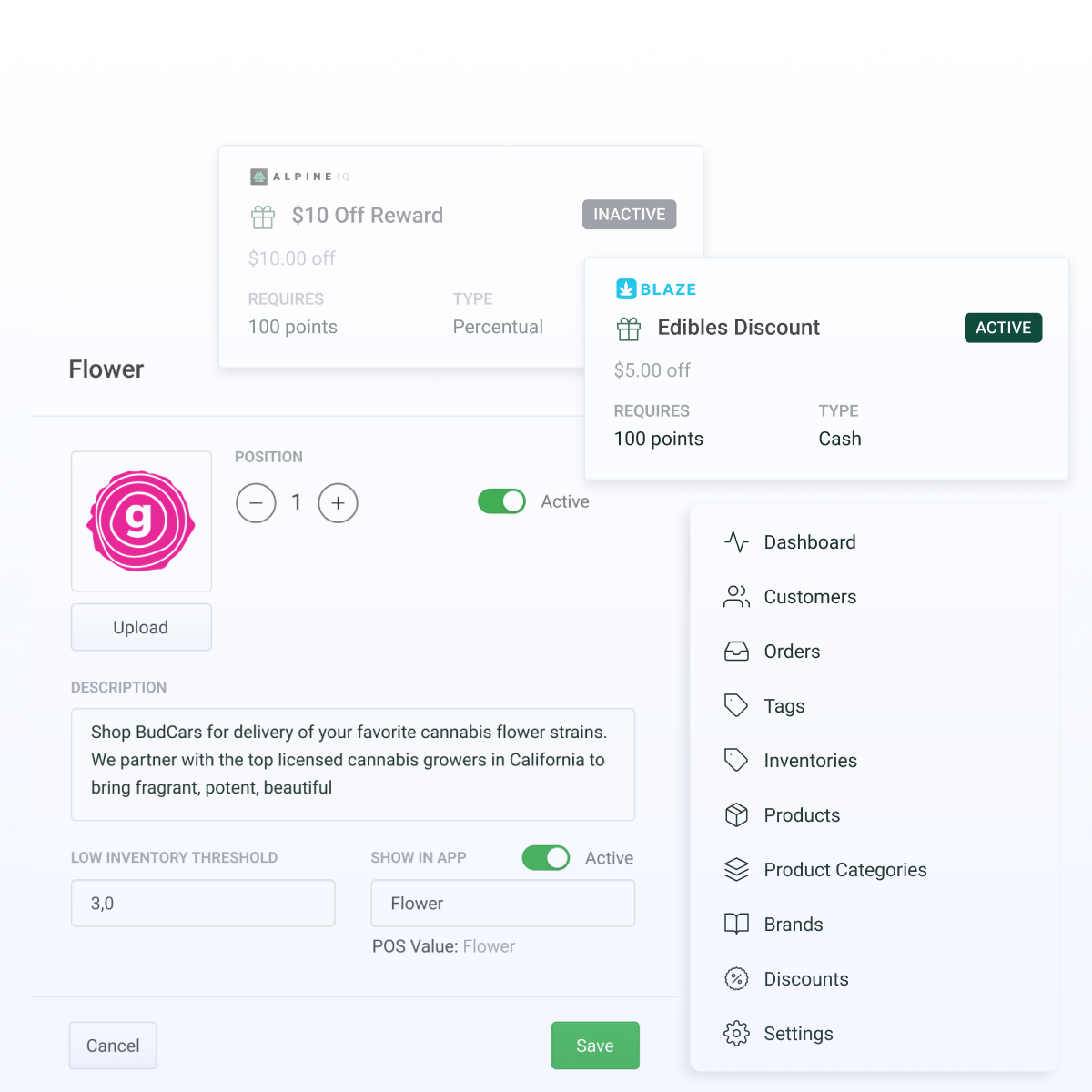
We started where the product started — the login screen — and worked outward from there. Before touching any feature, we ran a full audit of every existing surface: inputs, buttons, table rows, tags, dropdowns, modals, and navigation patterns. The goal wasn't to catalog problems. It was to find the underlying structure the product needed.
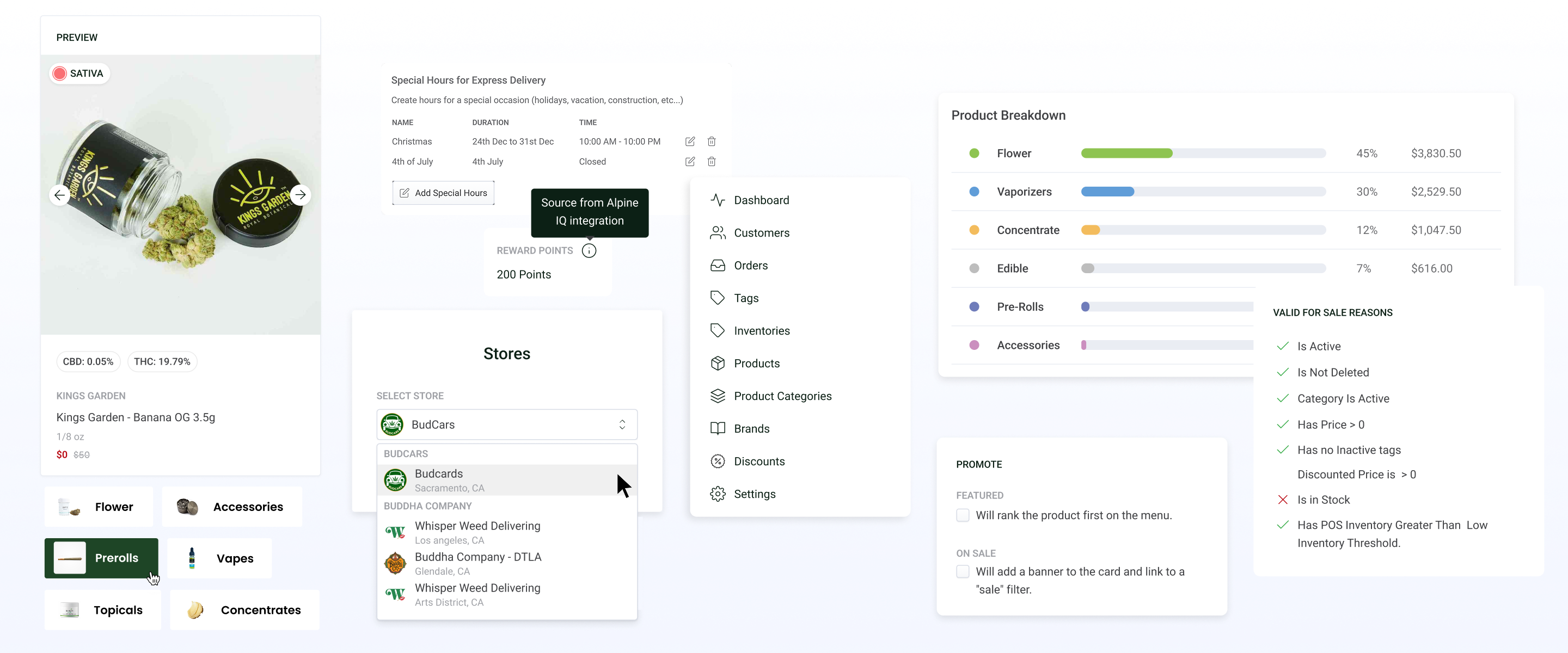
From that audit, we built a design system from the atom up. Inputs, buttons, checkboxes, toggles, tags, avatars, dropdown components — each one defined once, documented clearly, and built to flex across three breakpoints. This wasn't a stylistic exercise. It was the foundation that made every subsequent screen faster to design, easier to build, and more consistent to use.
With the system in place, we redesigned the full authentication flow as a single coherent experience. Each step communicates clearly where the user is, what they need to do, and how to move forward.
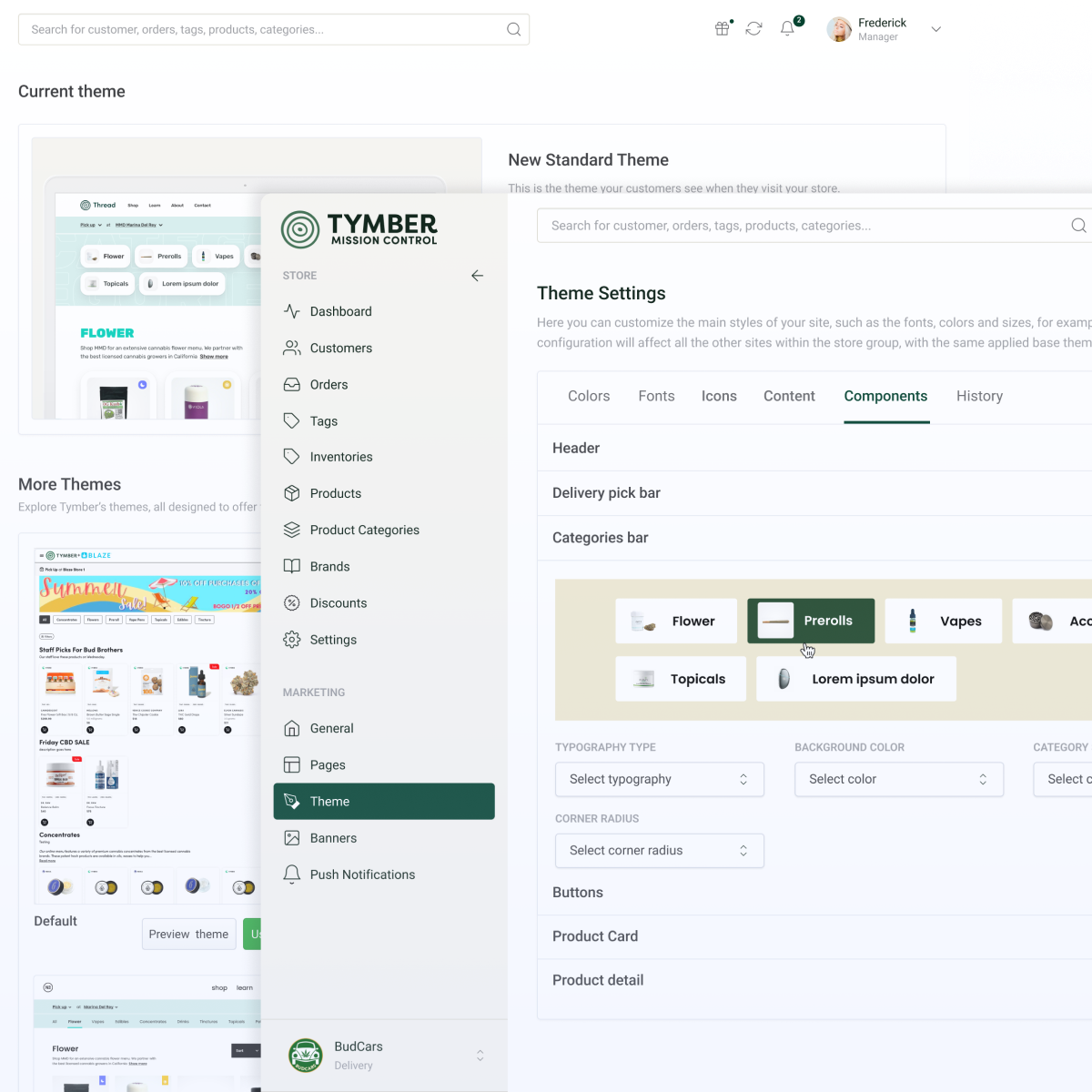
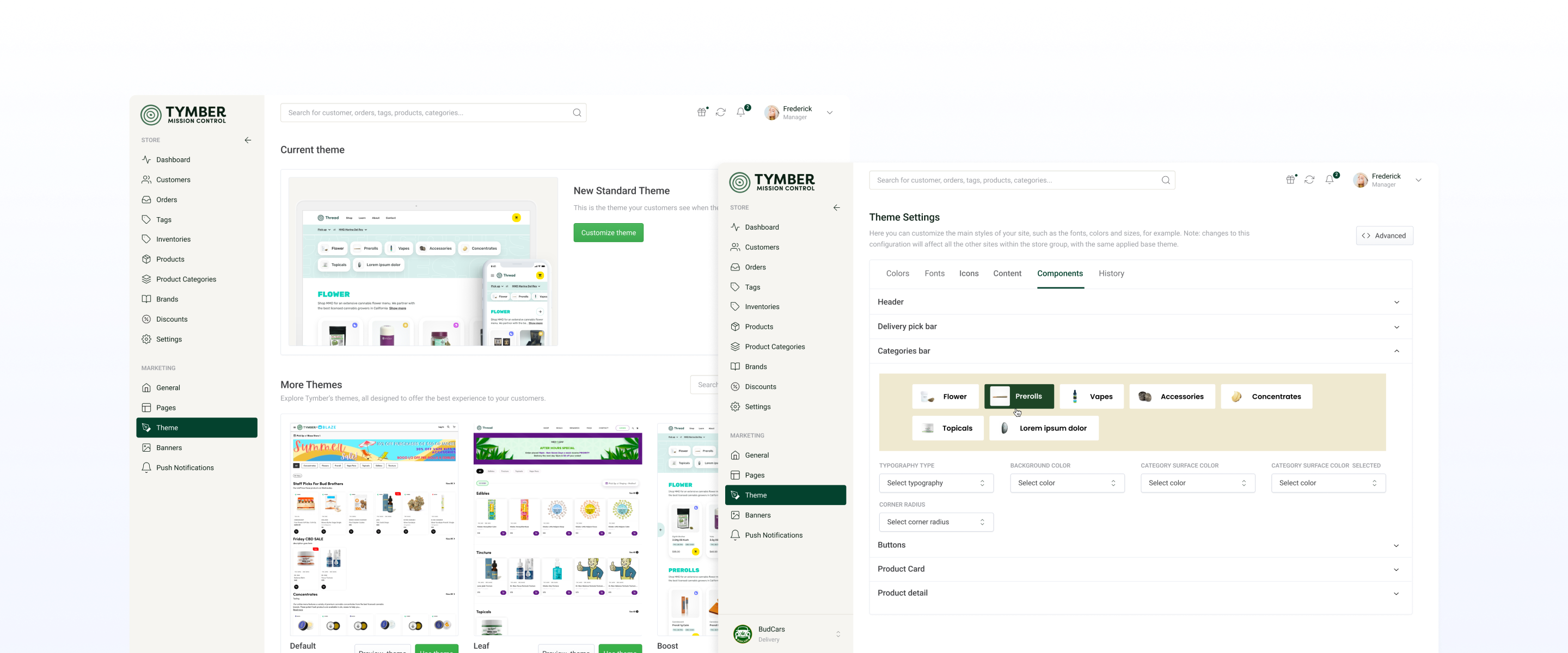
We then turned to the operational core: team management and store settings. The team member table was rebuilt as a permission-aware, role-driven interface — supporting inline editing, status tagging, and bulk management without overwhelming the view. Store settings were consolidated into a single environment that lets managers make changes without losing their place in the product.
Throughout, we designed with role in mind. A budtender's screen should never feel like an admin dashboard. An enterprise operator shouldn't have to dig for what they need. The same platform serves both — by surfacing the right things to the right people.
The result
Tymber's team came out of the process with something they hadn't had before: a product that behaves like a product. Not a collection of features — a system.
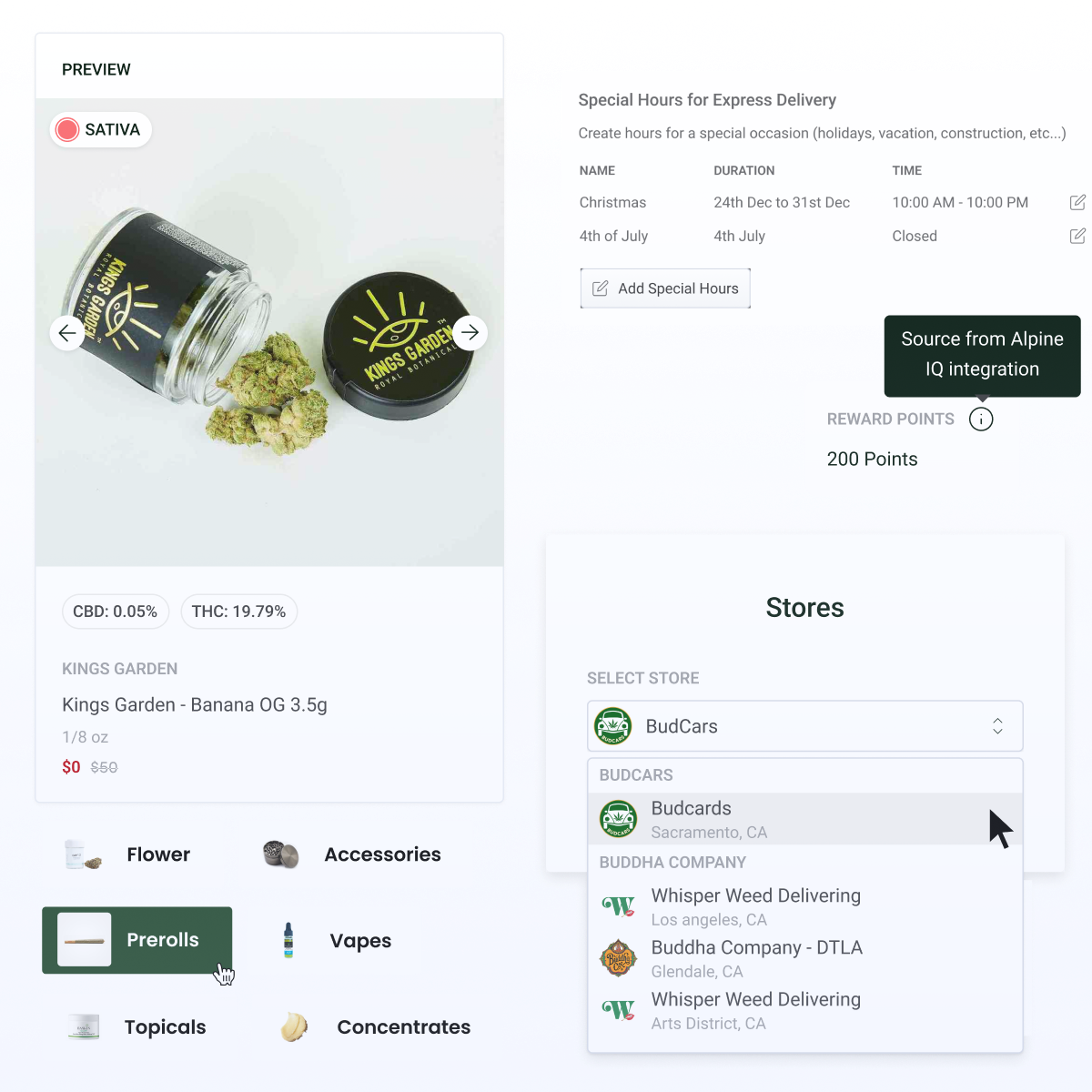
Task completion time dropped significantly in usability testing, with users moving through authentication and team management flows with far less hesitation. The multi-store selector, rebuilt with searchable dropdowns and clear user context, eliminated a source of consistent friction for multi-location operators.
For the engineering team, the design system changed the pace of work entirely. Components were documented. Responsive behavior was defined. The logic was consistent. New features no longer required reinventing decisions that had already been made.
And for the people on the floor — the budtenders, the shift managers, the store leads — the platform finally felt like it was designed for them.
Ready to build with direction?
Let’s make it solid from the start.

Serious about building the right product?
We partner with teams who value clarity, structure and long-term thinking.
Have a product in mind?
We’ll help you define it, build it and take it to market with clarity.